
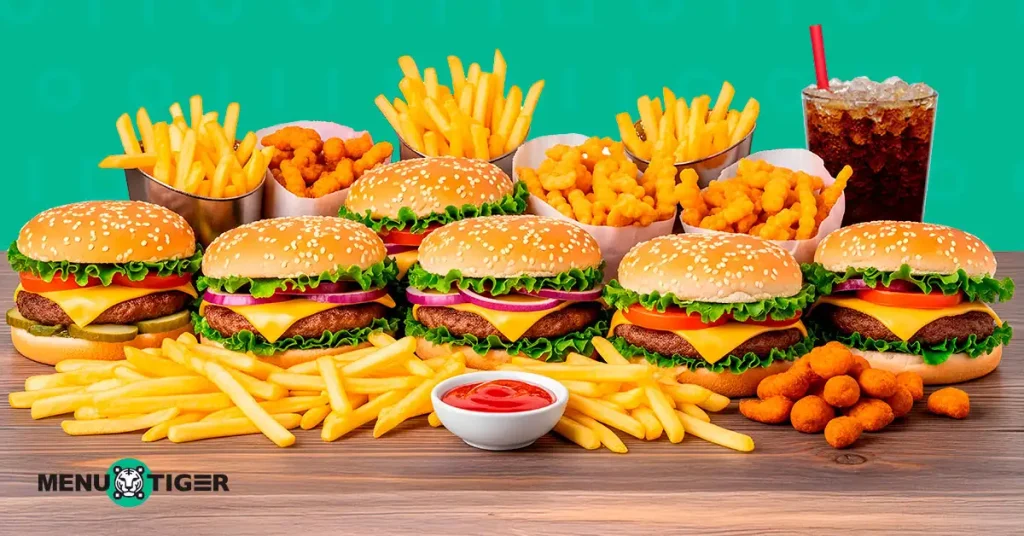
A fast-food menu typically includes a variety of items such as burgers and sandwiches, combo meals, fries, chicken-based dishes, beverages, and desserts.
However, it is not just a list of food options; it is a carefully designed menu system refined to maximize profitability, influence customer behavior, and improve operational efficiency.
In modern quick-service restaurants, performance is not defined by menu size but by menu precision. Every item must serve a measurable function: driving traffic, increasing order value, reinforcing brand identity, or improving execution speed.
With global quick-service restaurant sales now exceeding $1 trillion and continuing to expand, fast food restaurants should aim for menu architecture and execution quality to stay on top of the competition.
The fast food menu formula for 2026 and beyond
The restaurants winning today are not necessarily those with the full list.
They are the restaurants that combine:
1. Strong signature products
Winning restaurants do not try to be everything to everyone. They focus on a few standout products that define their brand.
These signature items become:
- The main reason customers visit
- The most shared items on social media
- The highest repeat-order drivers
Instead of offering many average items, strong operators build recognition through a few highly consistent bestsellers.
2. Value-driven combo meals
Modern customers are highly sensitive to price perception, not just actual price.
Value-driven combos help increase order size while making the customer feel they are getting more value.
In many quick service restaurant systems, bundles are more profitable than standalone items because they guide customer behavior.
3. Digital menu ordering
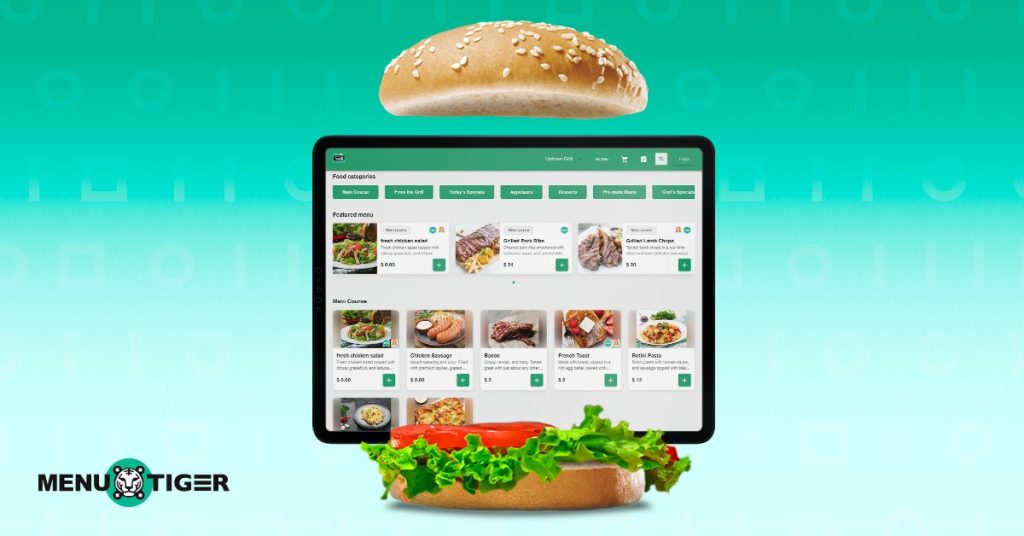
Digital menu ordering is now a core part of fast-food operations, not an optional channel.
QR codes, kiosks, mobile apps, and delivery platforms allow restaurants to:
- Reduce ordering friction
- Increase order accuracy
- Collect customer data for personalization
Online menus also make it easier to test and adjust items without changing physical store operations.
4. Smart upselling
Upselling is no longer about pushing more items. It is about offering relevant additions at the right moment.
Many restaurants now use a restaurant ordering system to support this, allowing automated suggestions such as add-ons, upgrades, and combo recommendations during the ordering process.
5. Operational simplicity
Complex fast food restaurant menu lists slow down service, increase mistakes, and reduce consistency.
High-performing fast food systems prioritize simplicity to improve speed, consistency, and profitability, especially in high-volume environments.

The complete fast food menu list for restaurant owners
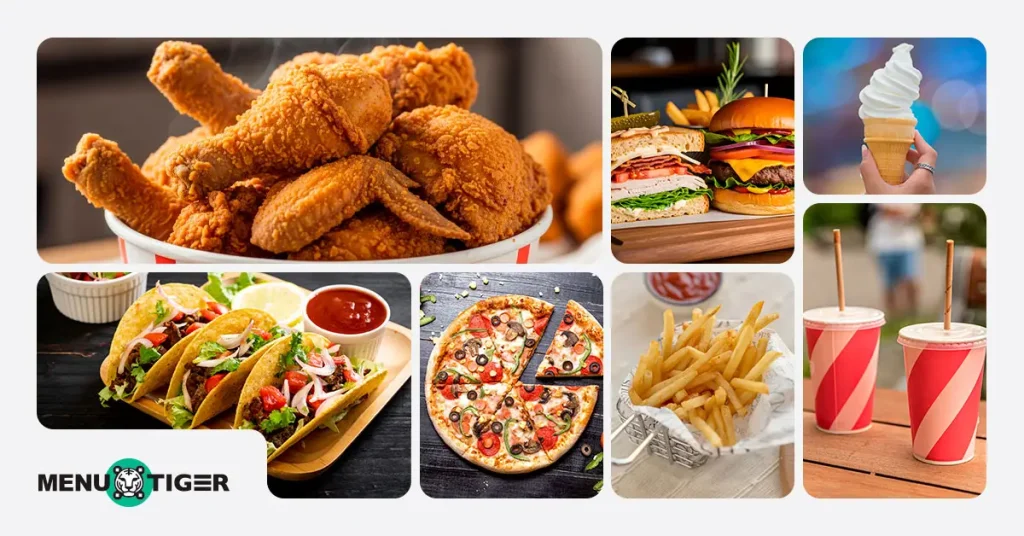
Instead of thinking of a “fast food menu list,” modern operators should think in menu systems.
Below are the core categories that dominate global fast-food performance:
1. Burgers and sandwiches
Burgers and sandwiches are consistently identified as a leading category within the global QSR sector, especially in Western markets where they account for a significant share of fast-food sales.
This category is built around familiar, high-volume favorites that customers order repeatedly:
- Classic Cheeseburger
- Double Cheeseburger
- Bacon Burger
It is also the ideal category for introducing premium variations that increase perceived value without significantly increasing kitchen complexity:
- Smash Burger
- Chicken Sandwich
- Crispy Chicken Burger
- Grilled Chicken Sandwich
- Fish Sandwich
- BBQ Burger
- Spicy Chicken Sandwich
Recent industry reports show that smash burgers continue to rank among the hottest menu trends due to their affordability, social media appeal, and strong customer demand.
Insights:
A winning restaurant just needs 2–3 hero products that customers remember and reorder.
2. Chicken-based items
Chicken continues to gain market share because it offers lower food cost volatility, broad consumer appeal, and flexible flavor profiles.
High-volume snackable items that drive lunch, takeout, and drive-thru traffic include:
- Chicken Tenders
- Chicken Nuggets
- Chicken Sliders
- Popcorn Chicken
Larger-format items that anchor meal bundles and family orders include:
- Fried Chicken Pieces
- Chicken Wraps
- Buffalo Chicken Sandwiches
- Chicken Bowls
Many successful chains have expanded chicken offerings because consumers increasingly view chicken as a value-focused alternative to beef.
Spokesman Review, a regional Spokane newspaper, quoted David Anderson, a livestock economist, as saying that, “If I want to cut menu costs, it makes sense to add chicken.”
3. French fries and side dishes
Fortune Business Insights reports that North America dominates fries consumption, accounting for 43.4% of the market in 2024. The U.S. market alone is projected to reach $8.5 billion by 2032.
Side dishes often generate some of the highest profit margin on the menu.
Core side dishes that naturally attach to main orders include:
- French Fries
- Curly Fries
- Waffle Fries
Premium side dishes that justify higher prices with minimal additional labor include:
- Sweet Potato Fries
- Onion Rings
- Mozzarella Sticks
- Fried Pickles
- Coleslaw
- Corn Cups
- Mac and Cheese Bites
Customers rarely visit a fast-food restaurant specifically for fries. However, fries dramatically increase average order value when bundled into meal deals. This is where fast-food profitability is engineered, not in the main item, but in the add-ons.
4. Combo meals
Combo meals remain one of the most effective menu engineering strategies.
Bundled meals and combo offers can increase average order value by encouraging customers to purchase additional items such as sides and drinks, compared to à la carte ordering.
Typical combo structure:
- Main item
- Side item
- Beverage
Examples include:
- Cheeseburger + Fries + Soft Drink
- Chicken Sandwich + Onion Rings + Drink
- Nuggets + Fries + Shake
Value-focused meal bundles have become increasingly important as consumers look for affordability. Major restaurant brands continue investing heavily in value menus and bundled offers to attract budget-conscious customers.
5. Breakfast fast food menu
Breakfast is one of the most profitable dayparts in fast food, with strong margins and lower competition per square meter of menu space.
Fast-moving breakfast items include:
- Breakfast Sandwiches
- Egg and Cheese Muffins
- Hash Browns
- Coffee Drinks
- Breakfast Burritos
- Pancake Platters
- Breakfast Wraps
- Sausage Biscuits
Restaurant owners who serve breakfast can create an additional revenue stream during otherwise slower operating hours.
6. Beverages
Industry benchmarks show that coffee and fountain beverages in QSR systems can achieve gross margins of approximately 70–85%, although actual profitability varies once labor and operating costs are included.
Popular options include:
- Fountain Drinks
- Iced Tea
- Lemonade
- Milkshakes
- Smoothies
- Cold Brew Coffee
- Energy Drinks
- Bottled Water
Most operators underestimate beverages, but they often determine overall profitability per transaction.
7. Desserts
Desserts create impulse purchases and improve average ticket value.
Popular dessert options:
- Ice Cream Cones
- Sundaes
- Cookies
- Brownies
- Apple Pie
- Cheesecake Bites
- Milkshakes
- Churros
Small dessert add-ons often generate excellent profit percentages while requiring minimal labor.
8. Health-conscious fast food options
Don’t let your menu become the unhealthiest fast food menu item list. Today, the Health-focused food is no longer niche; it is mainstream.
Consumer surveys consistently show growing demand for healthy consumption options, with around half of respondents in several markets reporting that such choices influence their restaurant selection.
Popular health-conscious menu items include:
- Grilled Chicken Bowls
- Salads
- Protein Bowls
- Lettuce Wraps
- Fruit Cups
- Yogurt Parfaits
- Low-Calorie Wraps
While indulgent foods still dominate QSR sales, many consumers increasingly seek protein-rich and wellness-focused options. Industry reports continue to identify protein-forward menu items as a growing trend.
The Bliss Point: The science behind customer cravings
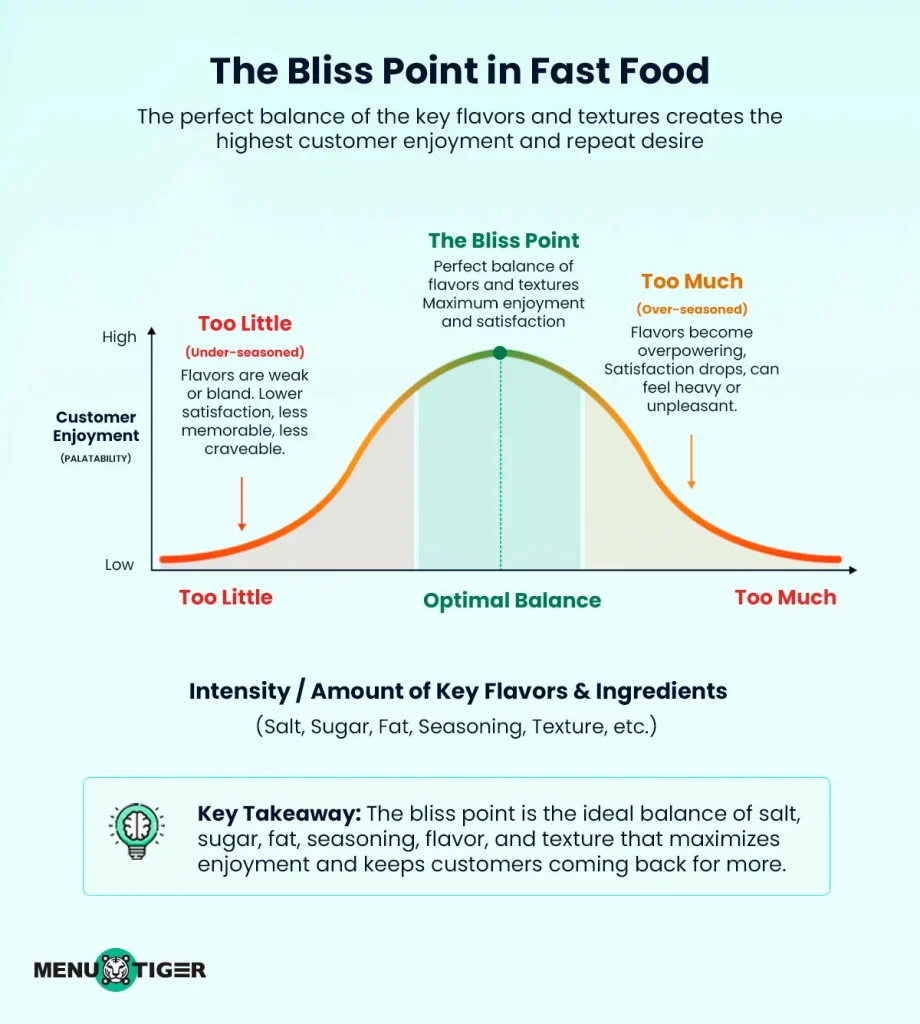
The graph shows the Bliss Point, the optimal balance of salt, sugar, fat, and texture that delivers maximum customer enjoyment. Too little makes food bland, while too much makes it overwhelming.
In food science and sensory research, it is widely used by global brands to engineer “irresistible repeat consumption.”
Why this matters for restaurant owners
One of the most common mistakes restaurant owners make is copying menus from global fast-food chains.
But multinational chains invest millions of dollars in sensory testing, product optimization, and behavioral research to identify the bliss point.
What works for multinational chains may not work for independent restaurants, simply by adopting a fast-food menu list.
The challenge is that you don’t know the true bliss point until customers reveal it through their behavior.
How restaurant owners can find it without a research lab
Start with a standard product (burger, fries, chicken sandwich, or milk tea), then test one variable at a time.
For example:
- Version A: Light salt
- Version B: Medium salt
- Version C: Heavy salt
Then gather customer feedback and compare sales data. The bliss point is often where customers stop requesting modifications and start reordering the item exactly as it is.
Key insight
The bliss point is not a fixed number. It varies across demographics and locations because customer preferences are not universal. This is why menu variety and continuous testing in any types of menu matter more than imitation.
Menu trends fast food owners should watch
Industry forecasts suggest several trends will shape menus over the next few years.
1. Comfort food
Comfort food continues to dominate because it delivers a reliable emotional response.
Burgers, fries, and fried chicken are not just popular items. They consistently hit the emotional side of the bliss point.
Customers already know what to expect, which reduces hesitation and increases repeat orders.
2. Value menus
Food inflation has changed how customers define satisfaction.
Customers now evaluate meals based on whether the price feels “worth it,” especially when ordering bundles or combos.
This is why value menus are growing. They are designed to hit a psychological sweet spot where cost and satisfaction feel balanced.
For restaurant owners, pricing is now part of product design, not just accounting.
3. Global flavors
Global flavors like Korean, Mexican, and Asian fusion work because they expand the bliss point without breaking it.
They introduce new taste experiences while still anchored in familiar formats like burgers, chicken, and fries.
This is why most successful innovations are not new dishes. They are new flavor layers.
4. High protein menu items
Customers now evaluate food based on how it fits their lifestyle goals, especially health and fitness.
This is why high-protein meals are growing. They create a sense of satisfaction that goes beyond taste. They feel “better for you” while still enjoyable.
For operators, protein is no longer a category. It is a positioning strategy tied to perceived wellness satisfaction.
5. Digital exclusive offers
Mobile apps, order management systems, and even the cheapest food delivery app allow operators to introduce exclusive menu items, limited-time offers, and personalized deals.
This creates new ways to:
- Encourage repeat purchases
- Increase order value through recommendations
- Test new products with lower risk
Online menus also give restaurants more control over how customers discover and interact with items.
How to make your fast food menu ideas profitable
1. Build demand around signature products
The most successful fast food menus are built around a small number of signature items that customers specifically seek out.
These products create repeat demand, differentiate the brand, and serve as the foundation of menu performance.
Supporting items should enhance these bestsellers and encourage larger purchases rather than compete for attention.
2. Focus on contribution margin.
Strong menu performance is driven by profit, not popularity alone. Assess each item based on its contribution margin after accounting for food, packaging, and direct operating costs.
High-margin products, add-ons, and bundles often contribute more to profitability than high-volume items with thin margins.
3. Strengthen brand positioning
Every fast food menu list idea should reinforce the restaurant branding in the market. Expanding into unrelated categories can weaken brand perception and reduce menu clarity.
The strongest concepts build authority within their core category and use menu innovation to deepen that expertise rather than diversify it.
4. Increase operational leverage
Menu profitability depends as much on execution as it does on sales. Prioritize products that share ingredients, simplify preparation, and maintain consistency during peak service periods.
A streamlined menu improves zero waste cooking practices, speed service strengthens quality control, and increases labor productivity.
5. Evaluate every item’s strategic role.
Before adding or keeping a menu item, determine whether it serves a clear purpose:
| Strategic role | Business impact |
| Traffic Driver | Attracts customers |
| Profit Generator | Delivers strong margins |
| Upsell Vehicle | Increases average spend |
| Bundle Builder | Boosts order value |
| Brand Signature | Strengthens brand identity |
If an item fulfills none of these roles, it may be adding complexity without contributing meaningful value.
Serve your next crave-worthy meal today.
The fast food experience doesn’t just end with the fast food menu list.
A menu isn’t just a list of dishes; it’s your story, personality, and promise to every customer.
Think about how it looks, whether it’s a printed or digital menu, how items are arranged, and the flavors you serve.
Every choice shapes the dining experience. So experiment, taste, and refine, because the meals you create today are the ones that will build your restaurant’s reputation tomorrow.